
Music
Intent
The Music curriculum should –
• Provide opportunities for children to develop and acquire musical vocabulary, concepts, skills and knowledge.
• Develop knowledge and skills through cross-curricular activities so as to see links and connections between other subjects in the curriculum.
• Provide opportunities for working individually, co-operatively and collaboratively.
• Develop skills relevant to adult life at home, at work and at leisure, in a fast-changing world.
• Develop a curiosity and interest about music; its history and culture.
• Develop listening and creative skills.
• Develop the individual skills that children bring with them to school and provide the opportunity for them to develop these skills in class music making activities and in more specialised instrumental and vocal music making both within school and the community.
Implementation
We teach Music using the Leicestershire Music Hub scheme through a 2-year rolling programme. Our curriculum is progressive through 6 themes:
• Pulse
• Voice
• Rhythm
• Pitch
• Technology
• 20th Century music
Effective teaching should, through flexible and appropriate techniques, aim to promote the desired learning of skill, attitude and knowledge in Music. Effective teaching strategies are outlined in detail in the curriculum statement.
Specific Music strategies include:
• Good use of talk, demonstration and explanation.
• Use of able musicians to demonstrate good practice.
• Use of question and answer to encourage children to think for themselves and respond appropriately.
• Encouraging children to listen analytically and carefully and respond to the music they hear.
• Ensuring that children have the knowledge and confidence to use instruments correctly and safely.
• Making good use of praise, encouragement and reward.
• Use of a variety of pupil grouping and resources appropriate to the task.
• Encouraging children to think critically and analytically about their work and achievements.
• Encouraging good performance practices.
• Making learning objectives and success criteria clear to the children.
• Using observations of work and outcomes to inform and plan future learning.
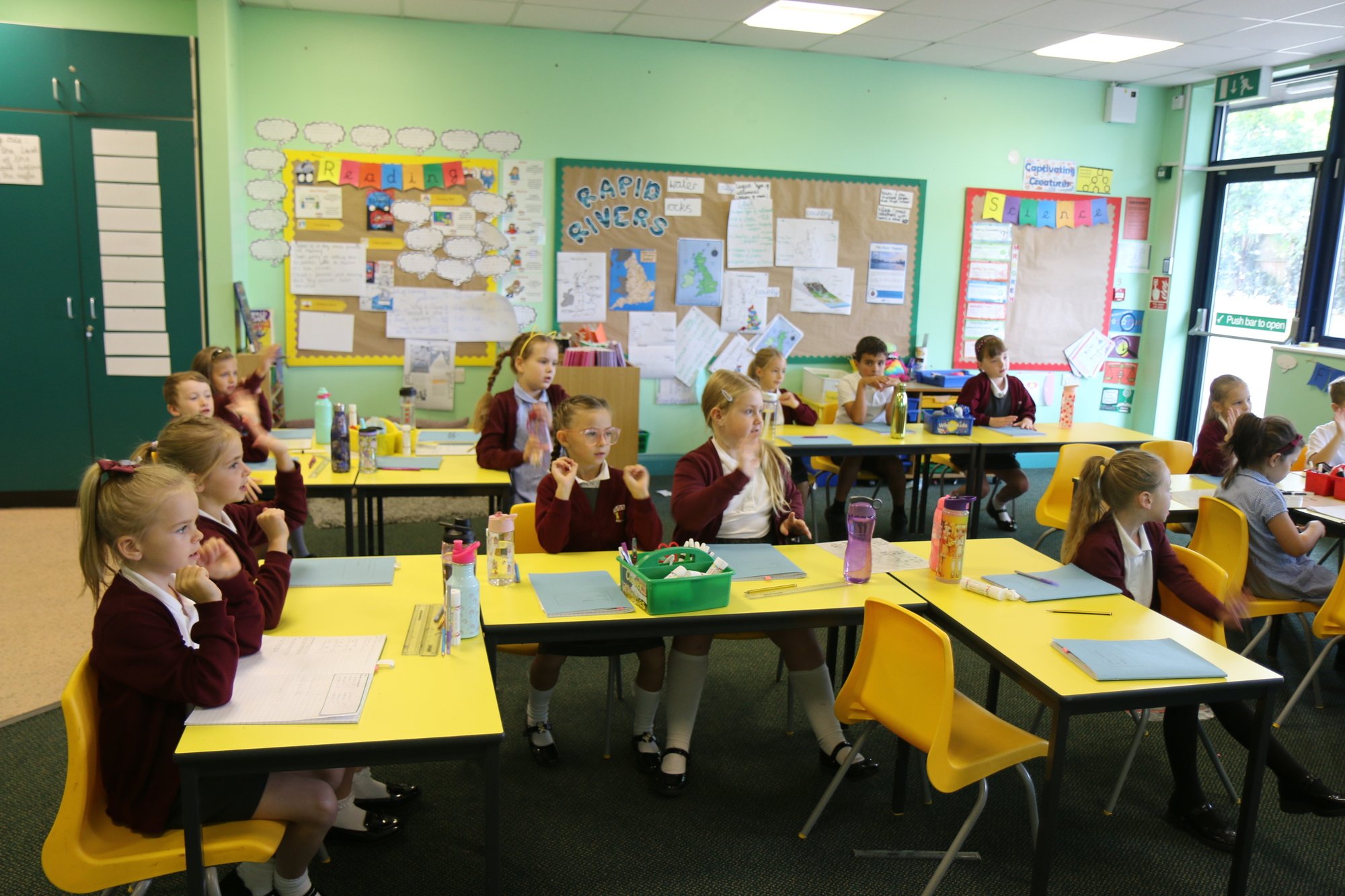
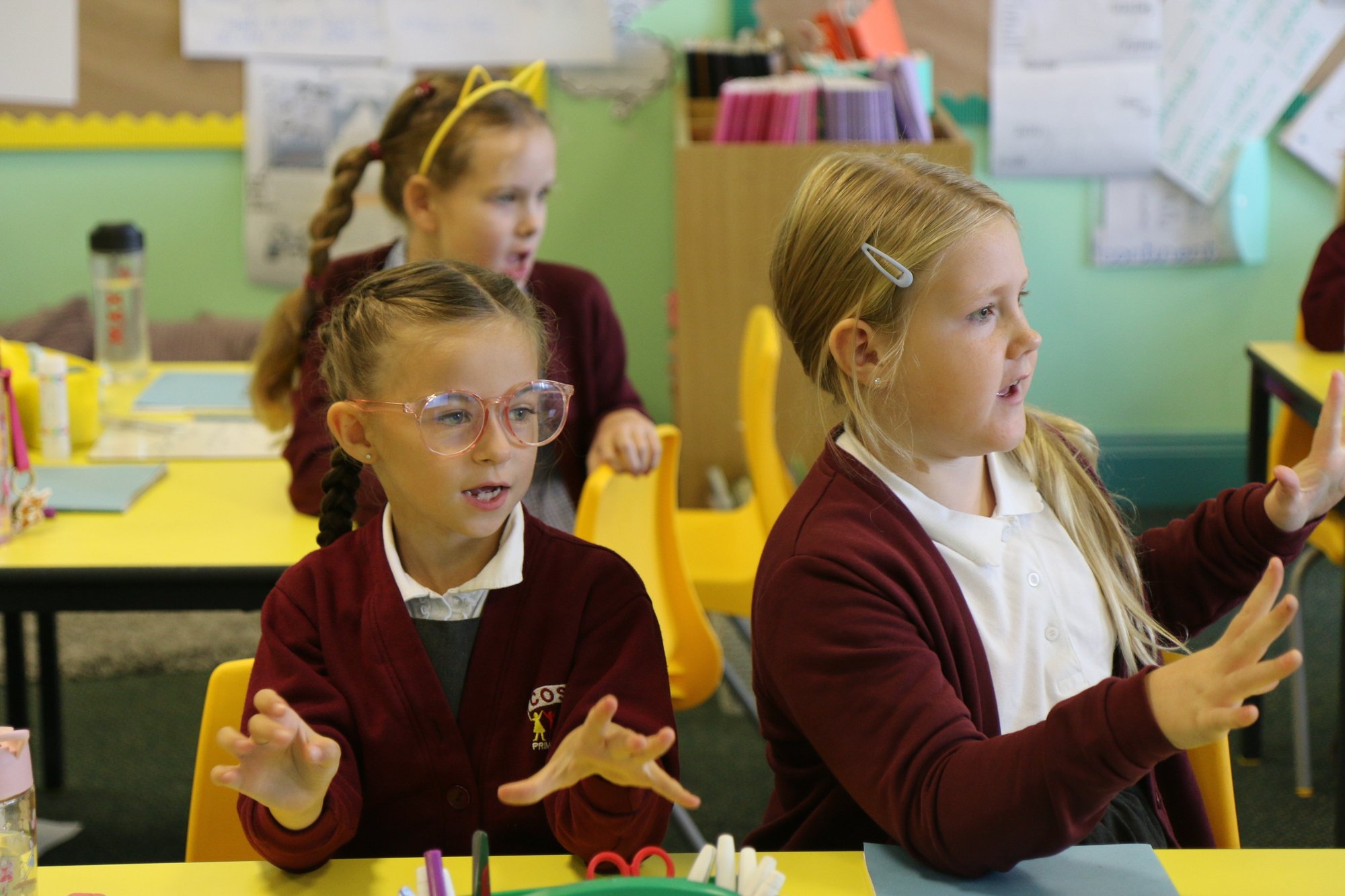
When teaching Music, it is important to provide a learning environment that is active and participative whenever possible. Learning will be most successful when the children understand why and what they are learning. The working environment is crucial to the enhancement of learning and must always be friendly, supportive and challenging. Music should always be taught practically wherever possible.
Impact
At Cosby Primary School, Music plays a very important part in the overall ethos of the school. Children are encouraged to listen to music in a wide variety of situations. They take part in regular group music making sessions as well as having the opportunity to take part in a wide variety of instruments and vocal groups working within the school and in the community.
Music enriches the wider curriculum by its cohesive and all-embracing nature. It allows all children to participate in a mutually enjoyable activity. It can provide them with a great deal of pleasure and enjoyment.
Music calls upon the human faculties most necessary for communication, the ears and the voice. Their development is essential to our well-being and to the quality of our intellectual, physical and spiritual growth. The full musical potential of children can only be realised by the constant development of the inner ear and singing voice.